Otto Berger · 2 September 2026
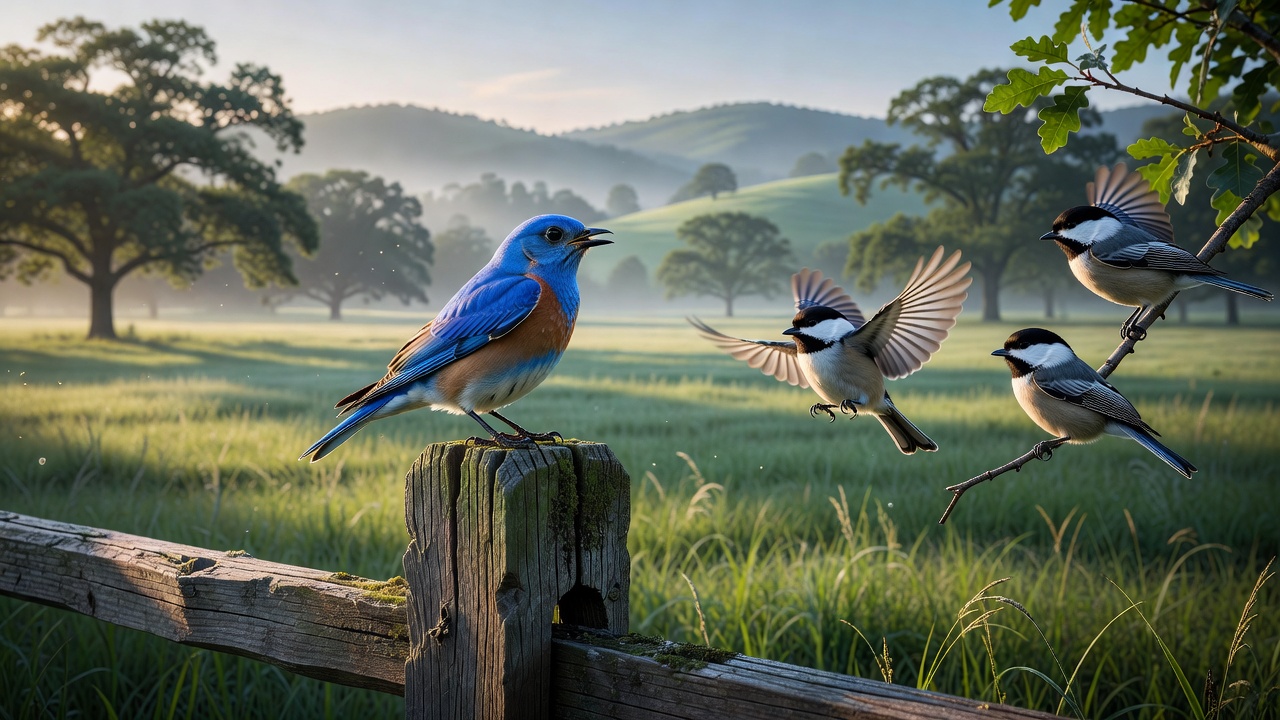
Local ornithologists in Dawnridge have noted a significant increase in sightings of native bird species over the past year. Reports indicate that species such as the northern cardinal, eastern bluebird, and various warblers are appearing more frequently in local parks and residential areas. This rise comes after several years of dedicated habitat preservation initiatives by the Dawnridge Wildlife Society. Data collected from multiple observation points show that bird populations have rebounded substantially. Furthermore the increase has positive implications for the area's biodiversity as birds play a vital role in controlling insect populations and pollinating plants.
Habitat Restoration Projects
Key to this development are the ongoing habitat restoration projects. Areas along the Dawnridge River have been replanted with native vegetation providing essential nesting sites and food sources for birds. Volunteers have removed invasive plant species allowing indigenous flora to thrive once again. Monitoring stations set up throughout the region have recorded a 35 percent increase in bird activity compared to the previous season. Experts attribute this to milder winters and successful breeding programs. Additional funding from local government has enabled the expansion of these projects into more urban zones. Local farmers have reported fewer pest issues in crops adjacent to restored habitats. Environmental studies conducted by the university's biology department confirm the correlation between restoration work and bird numbers.
Public Awareness Campaigns
Public awareness campaigns have also played a crucial role. Educational workshops held at the community center have taught residents how to create bird-friendly environments in their backyards. Many homeowners now participate in citizen science projects submitting observations via a dedicated app. The app has logged over 2000 sightings in the last six months alone. Schools have incorporated bird watching into their science curricula fostering an early appreciation for wildlife among students. This community-wide engagement has led to better protection of nesting areas and reduced disturbances during breeding seasons. The trend suggests a positive shift in the local ecosystem's health. Continued efforts are expected to support even greater diversity in the coming years. Authorities encourage residents to report sightings to help track progress and adjust strategies as needed.