Harper Jung · 5 November 2026
Dawnridge School District Leadership Changes Prompt Review of Environmental Education Programs Tied to Local Cleanup Initiatives
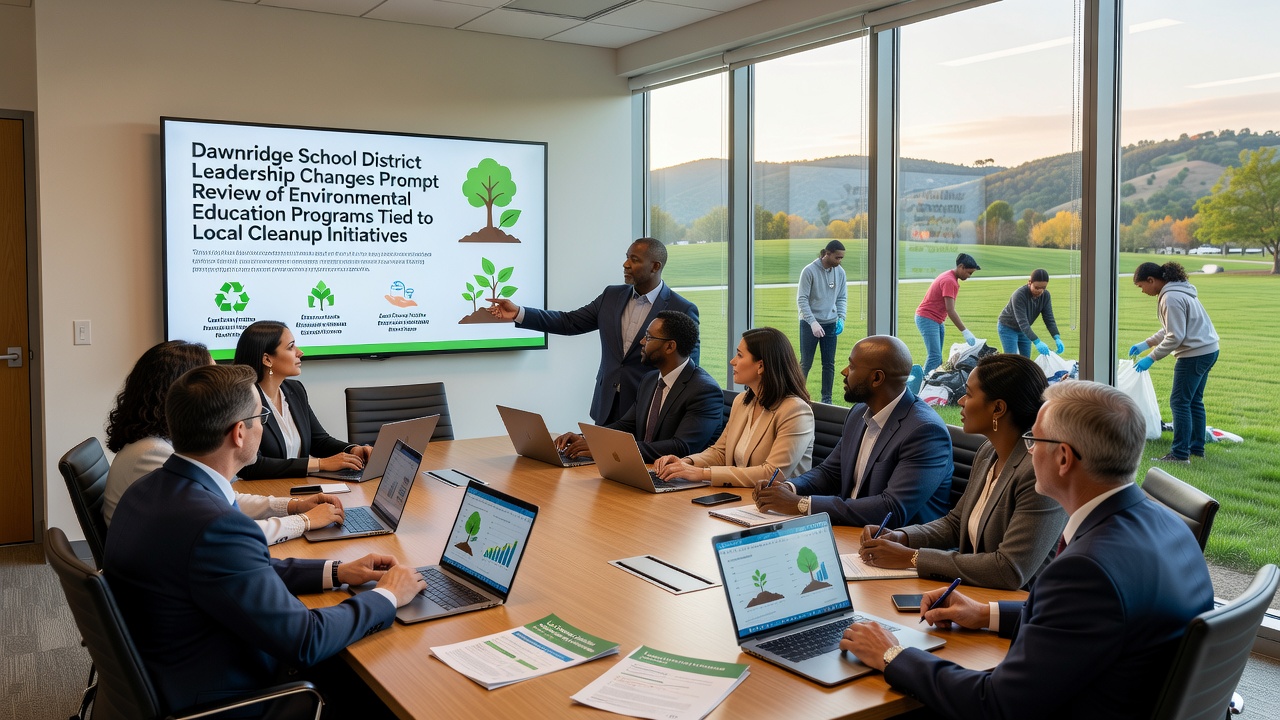
Recent shifts in Dawnridge School District leadership have triggered a formal review of environmental education programs, and these initiatives connect directly to ongoing local cleanup efforts across several community sites. The changes began after the appointment of a new superintendent in early 2026, while the district board directed staff to assess curriculum alignment with regional environmental priorities that include riverbank restoration and urban green space maintenance.
Observers note that the review process incorporates input from teachers, parents, and local nonprofit coordinators who manage cleanup events. Data from the district shows participation in environmental courses has grown steadily over the past three years, with enrollment figures reaching 1,200 students across middle and high school levels by the start of the 2026 academic year. The assessment examines how classroom lessons integrate with hands-on activities such as litter removal along the Ridge River corridor and invasive species mapping in public parks.
Leadership Transitions and Initial Directives
The district welcomed Dr. Elena Vargas as superintendent in March 2026, and her first public statements emphasized curriculum evaluation across multiple subject areas including science and civic engagement. Board members approved a resolution in April that specifically called for examination of environmental education components, and this step followed public comments during two open sessions where residents highlighted connections between school programs and municipal cleanup campaigns. Administrative staff compiled reports on current lesson plans, field trip schedules, and partnerships with groups such as the Dawnridge Watershed Alliance, which coordinates monthly volunteer events.
Those who've studied similar transitions in other districts point out that leadership changes often lead to curriculum audits within the first six months. In Dawnridge the timeline places preliminary findings before the board during a scheduled November 2026 session, allowing time for data collection from all six elementary schools and the two secondary campuses. Figures released by the district indicate that 78 percent of middle school science classes currently include at least one unit tied to local habitat restoration, while high school electives feature project-based modules on waste reduction and water quality monitoring.
Integration with Local Cleanup Initiatives
Environmental education programs in the district maintain established links to cleanup initiatives managed by the city parks department and several community organizations. Students collect data during service-learning outings that feed into annual reports submitted to regional environmental agencies, and these records track metrics such as pounds of debris removed and acres of shoreline treated. The review examines whether these activities align with updated state science standards adopted in 2025, which place greater emphasis on systems thinking and community-level problem solving.
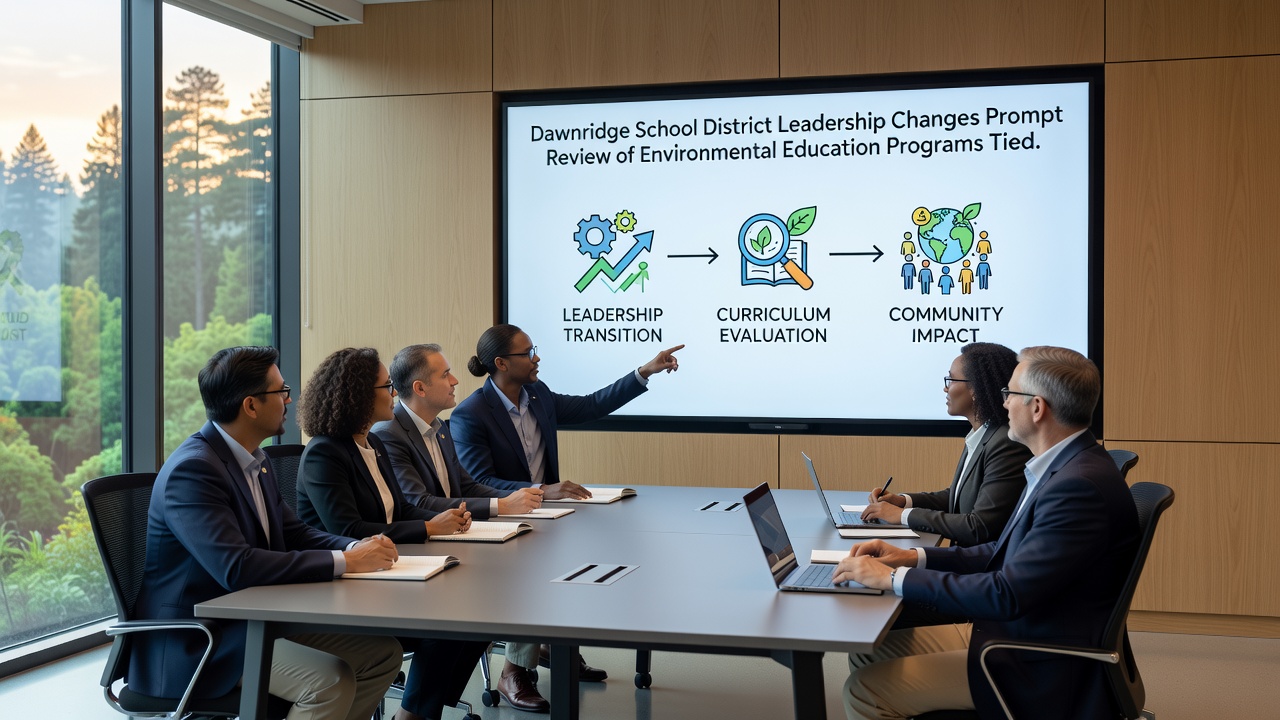
One case documented by district records involves a partnership that began in 2023 between Ridgeview High School and the municipal public works team, and this collaboration has resulted in six organized cleanup days per year along the former rail spur corridor now converted to trail use. Teachers report that students apply concepts from biology and chemistry classes while sorting recyclables and testing soil samples, then present findings at community forums. The upcoming review will assess how such projects can scale across additional grade levels while maintaining measurable outcomes that support both educational goals and local environmental targets.
Program Components Under Examination
Review teams are analyzing four main program areas: classroom instruction, outdoor field experiences, student-led research projects, and cross-curricular connections with social studies and mathematics. Data collected through teacher surveys and student assessments shows that 62 percent of participants demonstrate improved understanding of local ecosystem dynamics after completing the integrated units. The evaluation also considers resource allocation, including transportation costs for field trips and materials for water testing kits supplied through a grant from the regional conservation authority.
Researchers from nearby universities have contributed baseline studies on similar programs in comparable districts, and their reports indicate that sustained community partnerships correlate with higher student retention of environmental concepts over multiple semesters. Dawnridge administrators plan to incorporate these findings while developing recommendations that maintain program continuity through the remainder of the 2026-2027 school year. November 2026 board materials will include proposed adjustments to scheduling and potential expansion of partnerships with additional local agencies.
Stakeholder Input and Timeline
Public comment periods opened in September 2026, and district staff collected responses through online forms and in-person meetings held at three school sites. Participants raised questions about how program changes might affect existing relationships with cleanup coordinators and whether new leadership priorities could shift focus away from hands-on activities. The review committee includes representatives from the teacher association, parent-teacher organizations, and the city sustainability office, ensuring multiple perspectives inform final recommendations presented in November.
Records indicate that cleanup initiatives supported by school programs have removed more than 14 tons of material from public spaces since 2022, with student volunteers accounting for approximately 35 percent of total participation hours. The assessment will determine how these contributions can continue while curriculum elements undergo refinement based on updated district goals.
Conclusion
The Dawnridge School District continues its structured review process, with leadership changes serving as teh catalyst for examining environmental education programs that intersect with local cleanup initiatives. Findings scheduled for the November 2026 board meeting will guide decisions on curriculum adjustments, partnership maintenance, and resource distribution across all participating schools. District documents emphasize that the evaluation relies on enrollment data, participation records, and alignment with state standards rather than external mandates, and stakeholders await the compiled report that will shape program delivery in subsequent academic terms.