Iris Krüger · 22 October 2026
Ridge District's Mill Techniques Inspire Student-Led Conservation Workshops at New Branch Library
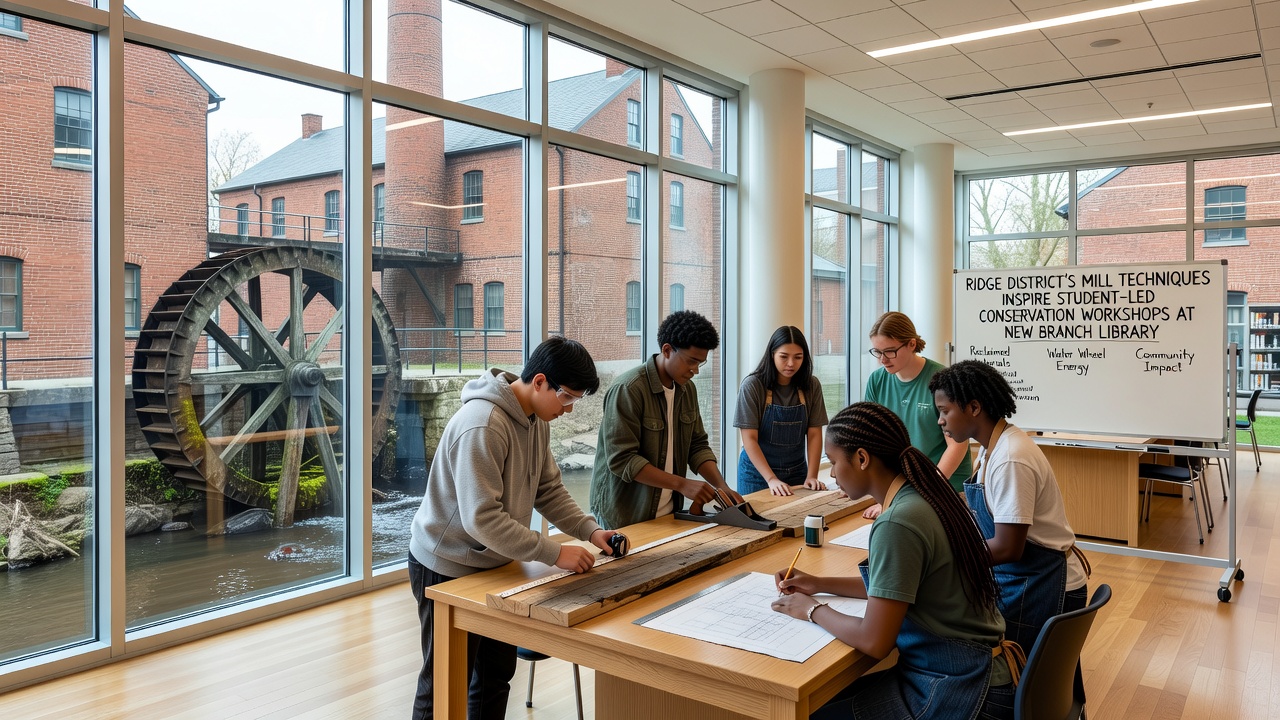
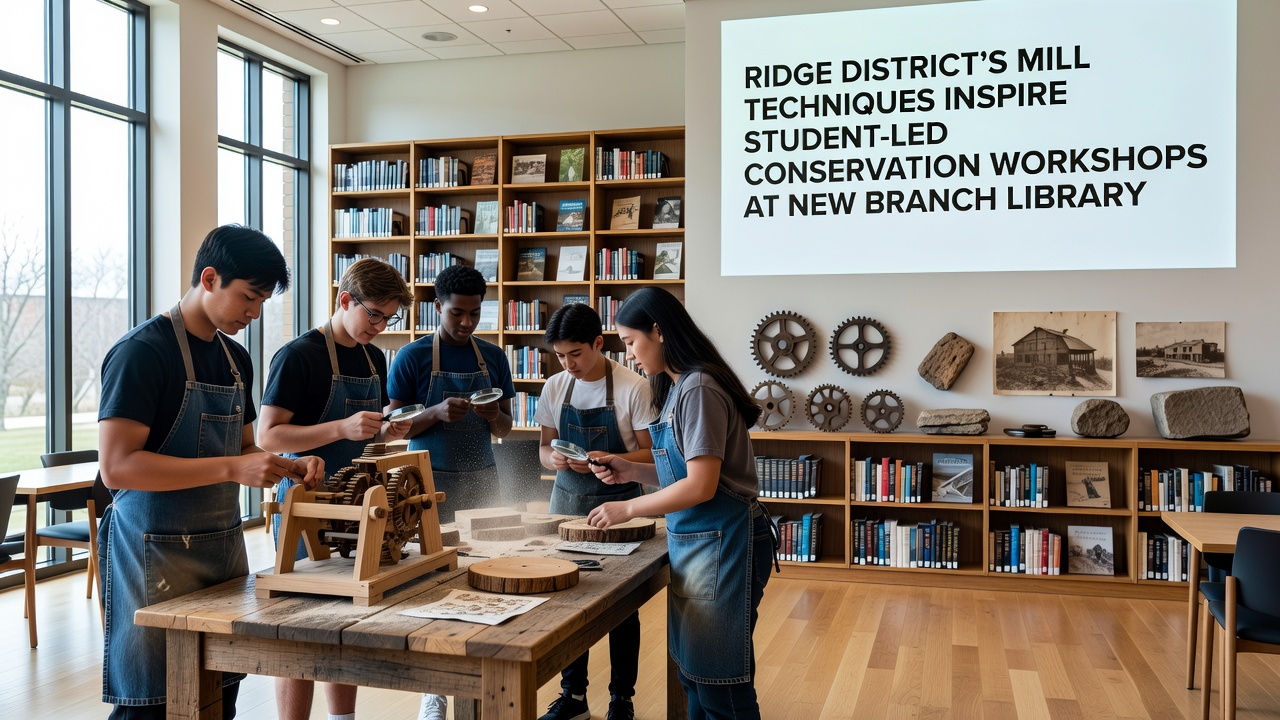
The new branch library in Dawnridge has become the setting for a series of student-led conservation workshops that draw directly from techniques once used in the Ridge District mills, and these sessions combine historical industrial practices with current resource management strategies. Local students have organized the programs around methods such as water flow regulation, timber joinery, and material reuse patterns that defined mill operations in earlier decades, and the workshops translate those approaches into practical lessons for modern households and community spaces. Data from the library's programming records shows steady attendance since the initiative began, with participants learning to apply similar principles to energy efficiency projects and habitat restoration efforts around the district. Observers note that the mill restoration project completed earlier in the decade provided the core reference materials for these sessions, and students reviewed archived blueprints along with operational logs to identify conservation elements that remain relevant today. Workshops cover topics including gravity-fed irrigation systems adapted from old mill channels and insulation techniques derived from mill building envelopes, while instructors emphasize measurable outcomes such as reduced water consumption and lower material waste in participant projects. Research from academic institutions indicates that historical milling practices often incorporated closed-loop resource systems, and the Dawnridge sessions highlight comparable strategies through demonstrations and take-home guides distributed at each event.Workshop Structure and Schedule Details
Sessions run on alternating weekends through October 2026, with each workshop lasting two hours and focusing on one specific mill-derived technique that students demonstrate using scaled models and local examples. Participants receive printed materials compiled from district archives, and follow-up activities encourage application of the methods in home or school settings, with optional check-ins scheduled for later months. Library records indicate that the first round of workshops attracted over 200 attendees across age groups, and subsequent sessions have incorporated feedback to adjust pacing and hands-on elements. The student organizers coordinate with library staff to secure space in the community room, and they source demonstration materials from the restored mill site when available. Techniques presented include selective harvesting patterns that preserve structural timber quality and sediment management approaches drawn from mill pond maintenance records, and these topics connect directly to broader conservation goals tracked by regional environmental agencies. One study conducted by researchers at a Canadian university examined similar historical adaptations and found measurable benefits in water quality when traditional flow controls were reinstated in contemporary settings.Student Leadership and Community Participation
High school and college students from Dawnridge area schools form the core leadership team, and they divide responsibilities for research, presentation development, and on-site facilitation during each workshop. Mentors from the mill restoration project provide technical guidance during planning meetings, yet the students retain decision-making authority over session content and delivery methods. Participation data collected by the library shows that repeat attendees often return with completed projects from previous sessions, and several groups have formed ongoing study circles that meet independently between scheduled events. Community members contribute additional perspectives by sharing personal accounts of earlier mill operations, and these anecdotes supplement the technical content with context on daily resource use patterns from prior generations. The workshops maintain an open registration format that allows walk-in attendance, and organizers track demographic information to ensure outreach reaches varied neighborhoods within the district. Figures from the library's annual report reveal that student-led programs account for a growing share of total programming hours, and conservation-focused topics represent one of the fastest-expanding categories in recent years.